

Automatic Optical Inspection (AOI) & Sorting Systems
When the highest quality requirements meet large production volumes or complex components, absolute process reliability is essential.
With highly precise, custom optical inspection and sorting systems, we enable seamless 100% inspection – reliable, reproducible and precisely tailored to your requirements.
Detect defects reliably: through advanced image processing and customized sensor technology.
Everything in-house: We are your partner from engineering to support, not just a supplier.
Highest precision: Measurement accuracy from ± 1 µm and consistently high inspection quality.
-
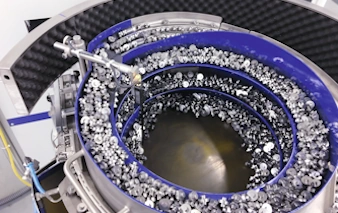 1
1Feeding the parts into the inspection system
-
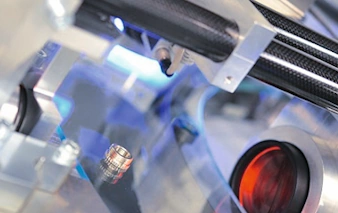 2
2Non-contact image capture of each individual part
-
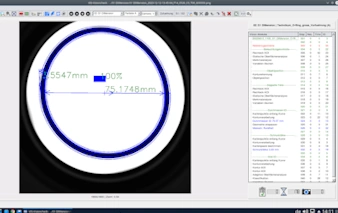 3
3Analysis of the image data
-
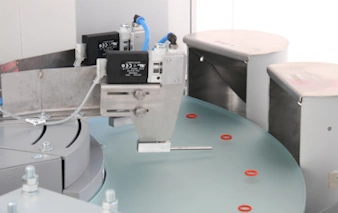 4
4Fully automated sorting
-
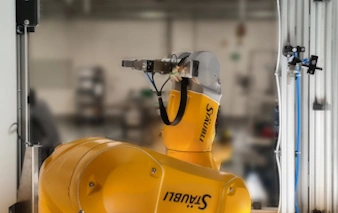 5
5Customized part handling
-
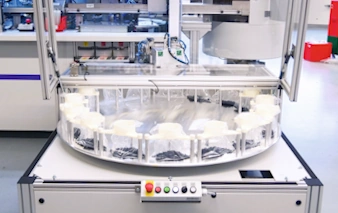 6
6Optional downstream processing
Geometry and Surface Inspection: Combined in a Single System
In many applications, geometry and surface inspection need to go hand in hand. That is why NELA systems are designed to combine both optical inspection tasks – without additional cycle time or manual rework. Multiple sensors capture dimensional accuracy and surface quality simultaneously. The results are consolidated in the software into a clear pass/fail decision.
-
One machine instead of multiple inspection steps
-
Shorter throughput times and stable processes
-
Consistent evaluation of all quality criteria
-
High flexibility with changing components and requirements


Geometry Inspection
More about Optical Geometry InspectionsDoes the component exactly meet the specified dimensions and tolerances?
NELA systems capture geometric features with high precision and automatically compare them with your specified target values. Reproducible, traceable and compliant with standards.
- Reliable compliance with tight tolerances even at high production volumes
- Objective measurement results instead of subjective assessments
- Verifiable quality for downstream processing, audits and compliance with standards
- Early detection of deviations to stabilize your processes
Surface Inspection
More about Optical Surface InspectionIs the component visually flawless, or is there a defect?
Not every defect can be measured, but it must be detected reliably. That is why our machines automatically inspect face and lateral surfaces for relevant deviations, even when defects appear in different forms or are difficult to detect.
- Automated defect detection instead of error-prone visual inspection
- Consistent inspection quality regardless of shift, fatigue or experience
- Reduction of complaints, scrap and returns
- Minimized risk of false rejects through adaptive inspection strategies

Inspection Objects & Materials: Precision for Every Component
The fully automated optical inspection and sorting systems are designed to process a wide range of series parts and materials. Adaptation is achieved through customized sensors, optics and lighting to make even the finest defects visible.
Materials
-
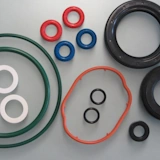
Elastomers & Polymers
-
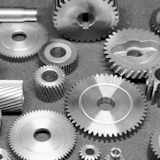
Metals
-
Other Materials
Typical Inspection Objects and Inspection Tasks
Depending on component geometry, material properties and inspection requirements, different NELA systems such as TAVI, ROVI or SKIVI are used.
Machined Parts
Reliably inspect precision in turning and milling processes.
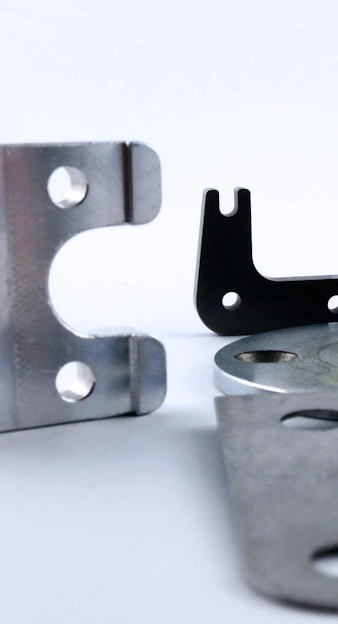
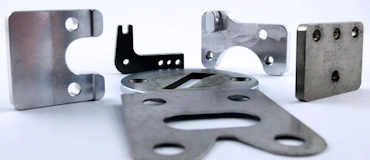
In AOI, for example, diameters, lengths and bores are measured precisely to ensure the required dimensional accuracy. In addition, surface defects such as grooves, chatter marks or chip imprints are detected, which can affect both the function and the visual quality of the components.
Typical inspection objects:
Turned Parts Cylinders Metal Precision Parts
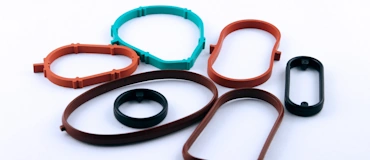
Elastomer and Sealing Parts
Detect material defects early and ensure reliable functionality.
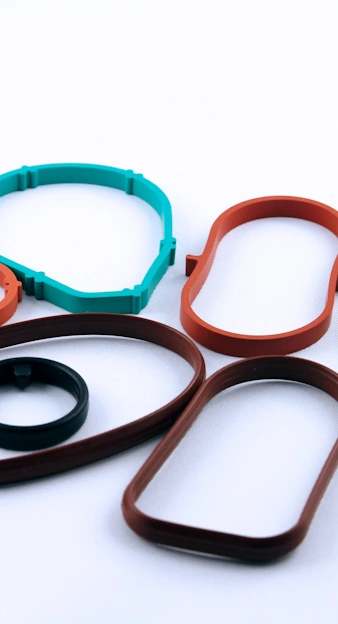
Optical inspection focuses on defects along parting and molding lines, particularly flash formation, notches or sink marks. In addition, cracks are detected, and flow lines, material inclusions as well as foreign material are identified to reliably ensure the functionality of the seal.
Typical inspection objects:
Seals Elastomer Functional Parts
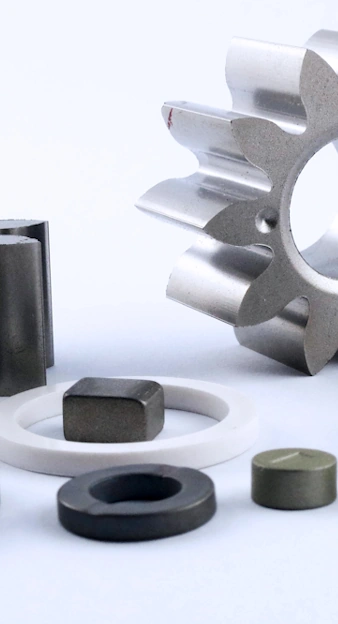
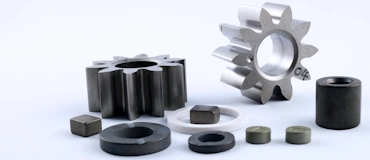
Formed and Sintered Parts
Ensure geometric accuracy and structural integrity.
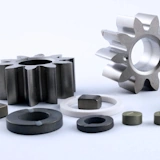
In the optical inspection process, the geometry and flatness of the components are checked to ensure proper fit and functionality. At the same time, topological defects such as shrinkage cavities, pores or edge chipping are detected, which can significantly impair the mechanical strength and service life of the parts.
Typical inspection objects:
Synchronizer Rings Gears
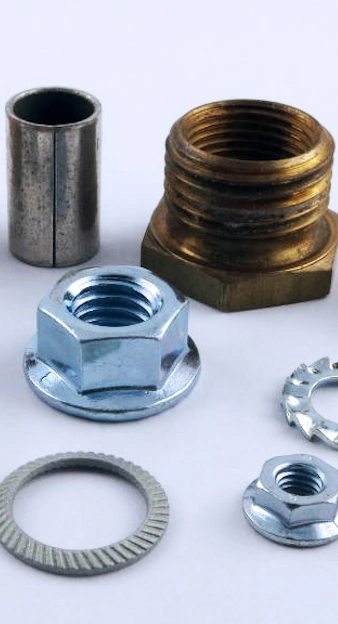
Fasteners
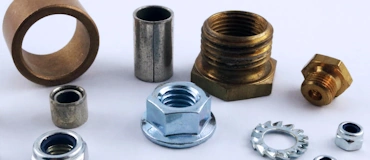
Verify functional reliability down to the smallest detail.
Inspection requirements include comprehensive thread inspection along the entire component length to reliably detect damage or form deviations. In addition, roundness and concentricity are measured at clamping and bearing points. For ball bearings, the completeness of all rolling elements is also inspected optically to prevent functional failures during later use.
Typical inspection objects:
Screws Threads Ball Bearings
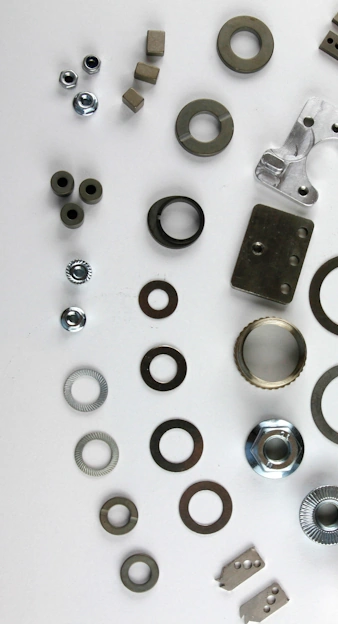
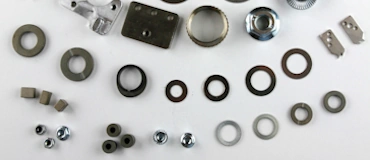
Micro & Complex Parts
Handle and inspect challenging geometries reliably.
Optical inspection is carried out while taking specific requirements for part guidance into account. For objects with unstable positioning or complex geometries, we rely on specialized handling concepts that ensure precise positioning and reliable guidance. This enables safe and reproducible inspection even for components with minimal dimensions or a high variety of variants.
Typical inspection objects:
Micro parts with a high variety of variants

The right setup for your inspection task requires expertise.
Every production environment has different requirements: sometimes maximum throughput is the priority, sometimes the highest precision, and sometimes the component is difficult to handle or requires a combined inspection of geometry and surface. This is exactly how the NELA product range is designed: you do not choose “an off-the-shelf machine,” but a system tailored to your components, your process and your quality objectives – including optics, lighting and the VisionCheck evaluation software.
-
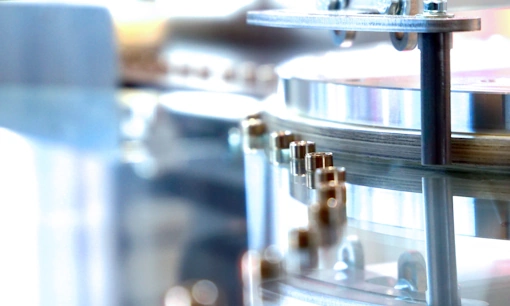 More about TAVI
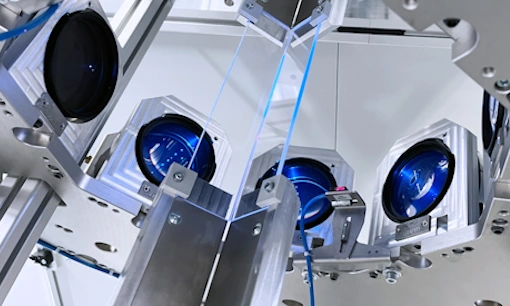
Glass Table System (TAVI)
Ideal when you have very high inspection requirements and want to inspect extremely stably and at very high speed.
-
 More about SKIVI
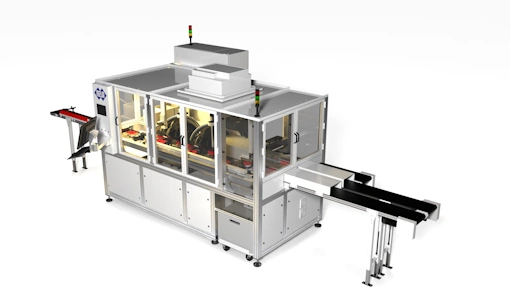
Glass Slide System (SKIVI)
Ideal for the optical inspection of elongated, cylindrical series parts that must be inspected continuously and sorted reliably.
-
 More about ROVI
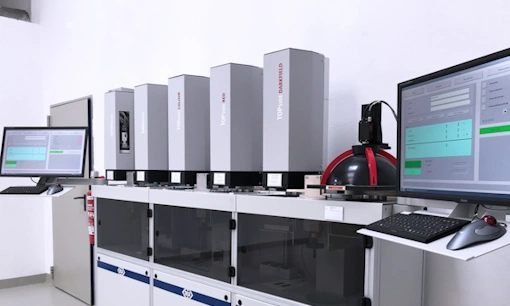
Indexed Systems, Handling Systems (ROVI)
For complex parts, particularly demanding inspection points or situations where the component must be precisely positioned or even deformed (e.g. elastic parts).
-
 More about Smart Sensor Technology
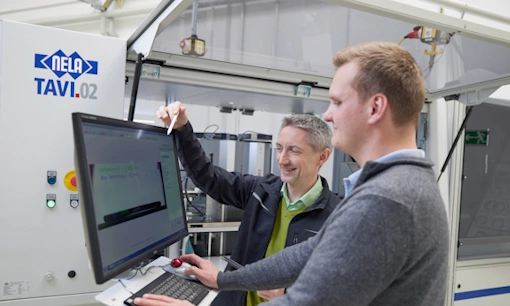
Smart Sensor Technology
The compact sensor units consisting of a camera and coordinated lighting can be integrated into your system via common standard interfaces and provide immediately usable inspection results.
-
 More about VisionCheck
VisionCheck Software
VisionCheck enables the creation of customized inspection programs, reduces false rejects through adaptive surface algorithms and integrates seamlessly into existing optical inspection systems.
-
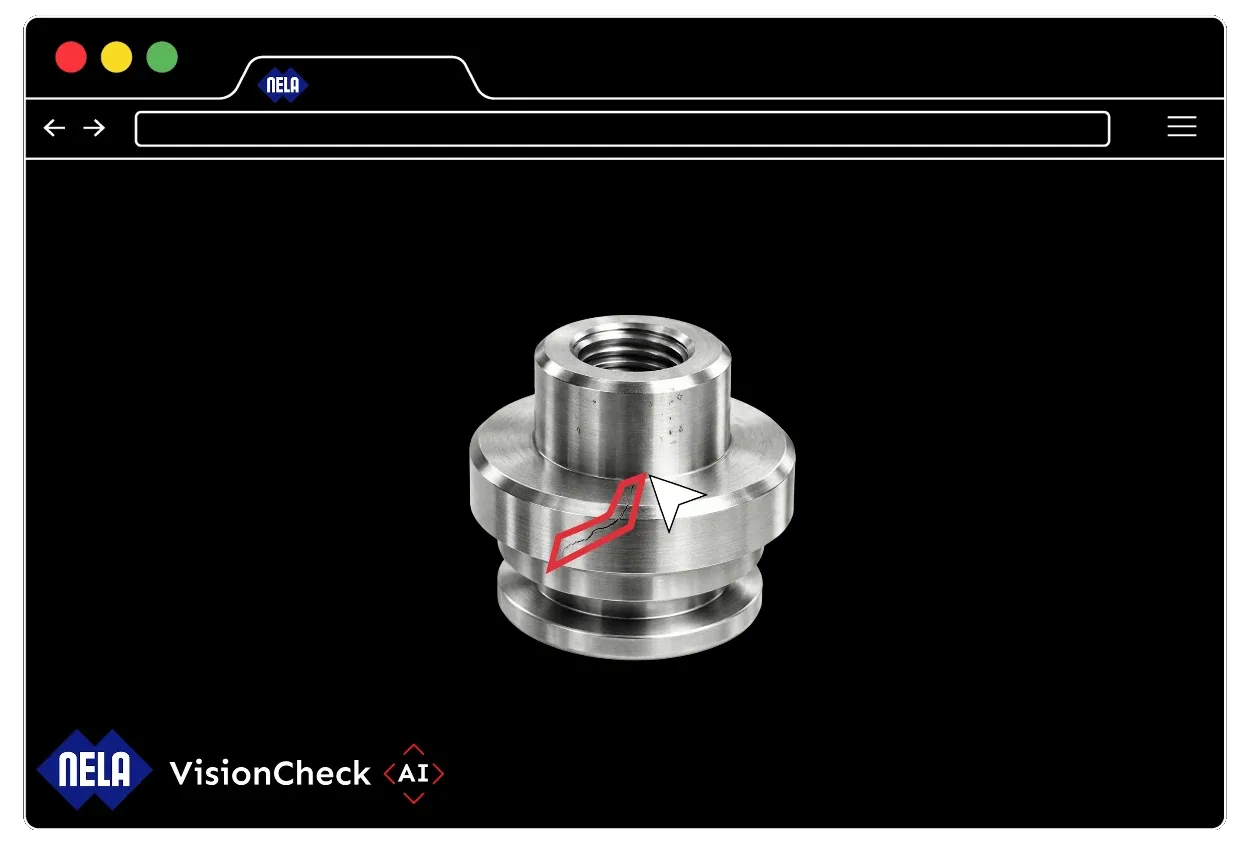 More about VisionCheck.AI
VisionCheck.AI
VisionCheck.AI extends traditional machine vision with a powerful AI component, reliably detecting even the subtlest defects – and trainable for new parts with no coding required.
