

Automatic Optical Surface Inspection
Make the invisible visible and safeguard your entire production with objective data and maximum precision.
Surface inspection (or surface inspection analysis) is a key discipline of Automatic Optical Inspection (AOI) and is used to detect defects on the face, side and lateral surfaces of series parts. It acts as a tireless inspector that not only identifies defects but also safeguards the entire production process through objective data and maximum precision.
100% inspection and process reliability: Automated 100% inspection eliminates the risks associated with manual, sample-based visual inspection.;
Cost-effectiveness and efficiency: High throughput of up to 100,000 parts per hour and short setup times support the efficiency of your production.;
Quality assurance and competitive advantage: The results of the visual inspection are automatically documented and comply with established standards.
Automated Surface Inspection: Precision for Every Material
Whether reflective metal, elastic O-rings or highly complex fuel cells: every material places its own demands on quality assurance. We combine the right lighting, sensor technology and software to make the seemingly invisible visible.
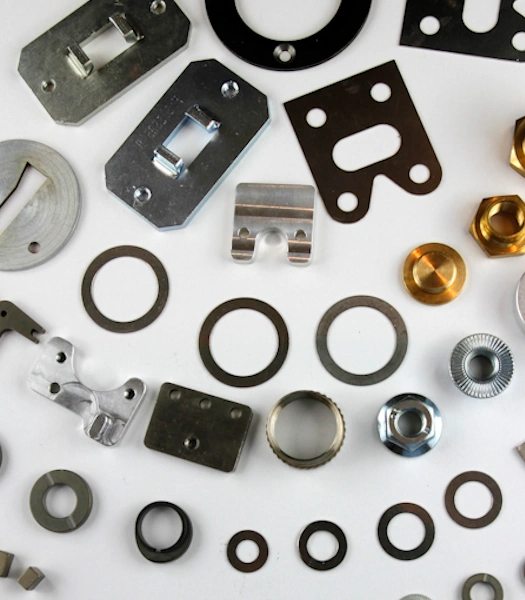
Metal Processing
Precision between cosmetic defects and structural integrity.
Cosmetic imperfection or quality-relevant damage? Automated optical surface inspection provides a clear assessment – objective, reproducible and in real time.
Scratches, grooves and impact marks
Scratches, grooves and impact marks are reliably detected using targeted dark-field illumination. Shallow grazing light enhances edge reflections and indentations, allowing even fine damage to be detected reliably.
Chatter marks on high-gloss surfaces
Chatter marks on high-gloss surfaces are made visible using different technologies. We analyze minimal shadow gradients and detect even the finest waviness that is difficult to capture with conventional image processing.
Rust and discoloration
Rust and discoloration can be clearly identified thanks to homogeneous dome illumination. Diffuse light reduces interference and highlights material-related surface changes with clarity.
Chip residues in bores and grooves
Chip residues in bores and grooves are detected using a 360° lateral surface inspection. This ensures complete and reliable inspection even in hard-to-reach internal areas.
Elastomers
Precision where materials yield.
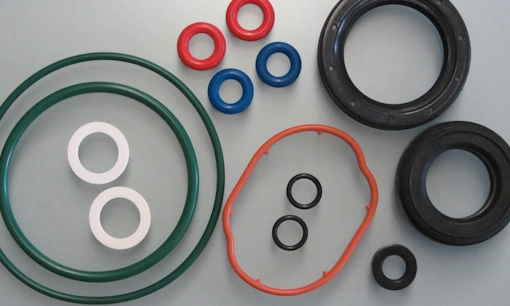
Soft elastomers, complex geometries and sensitive parting lines make O-rings and seals challenging inspection objects. Our systems are specifically designed for these requirements. Complex textures, flow lines and material variations are evaluated by our VisionCheck software using deep learning. The AI module reliably classifies even subtle variations.
Defects on the parting line
Defects on the parting line are reliably made visible through targeted multi-level illumination. Our lighting concepts minimize disruptive reflections and clearly highlight flash, indentations or irregularities on the surface.
Hidden or closed cracks
Hidden or closed cracks can be reliably detected through mechanical deformation. In our indexed systems, components are deliberately stretched or compressed so that critical cracks become clearly visible to the camera.
Plastics
Reliability for both aesthetic and functional requirements.
For plastic components, the early detection of even the smallest defects determines product safety, scrap rates and complaints. Optical inspection ensures that only functional and reliable parts proceed to the next stage of the process.
Flash, overmolding and sharp edges
Flash, overmolding and sharp edges are reliably detected, allowing potential injury and functional risks to be eliminated at an early stage.
Surface defects on glossy or transparent plastics
Surface defects on glossy or transparent plastics are detected using material-appropriate inspection methods, allowing scratches, sink marks or streaks to be clearly evaluated.
Flow lines and surface variations
Flow lines and surface variations are reliably analyzed to clearly distinguish deviations from the acceptable material appearance.
Geometric deviations
Geometric deviations in functional component areas are inspected with high precision to ensure dimensional accuracy and functional reliability in subsequent use.
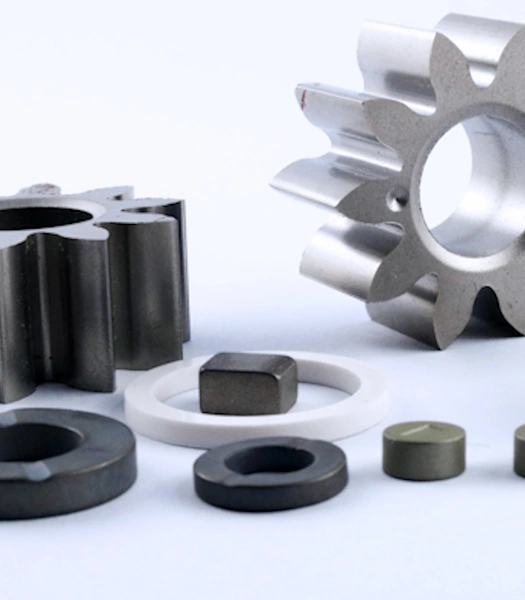
Sintered Parts
Make reliable decisions with porous materials.
With sintered parts, not every irregularity is a reason for rejection. The key is the precise distinction between acceptable material structure and quality-relevant damage in order to avoid misjudgments, unnecessary scrap and potential component failures later in use.
Edge chipping and topological damage
Edge chipping and topological damage are captured three-dimensionally using shape-from-shading, allowing geometric deviations and breakouts to be clearly evaluated.
Shrinkage cavities and open voids
Shrinkage cavities and open voids can be reliably analyzed by combining shape-from-shading and dark-field illumination, allowing true defects to be clearly distinguished from the material’s typical pore structure.
Microscopic cracks below optical resolution
Microscopic cracks below optical resolution are detected using integrable resonance testing or complementary technologies, where the frequency spectrum reveals even the smallest internal fractures.
Gentle handling and controlled sorting
Gentle handling and controlled sorting ensure that sensitive sintered parts are not damaged during inspection and remain reliably processed even at high production volumes.

Typical Defect Types in Optical Quality Inspection
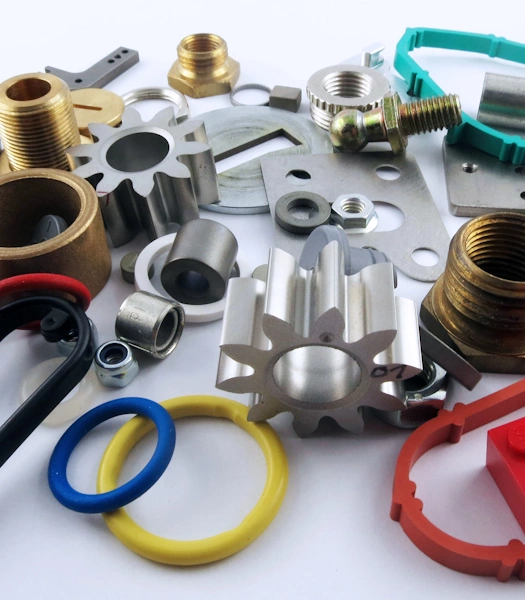
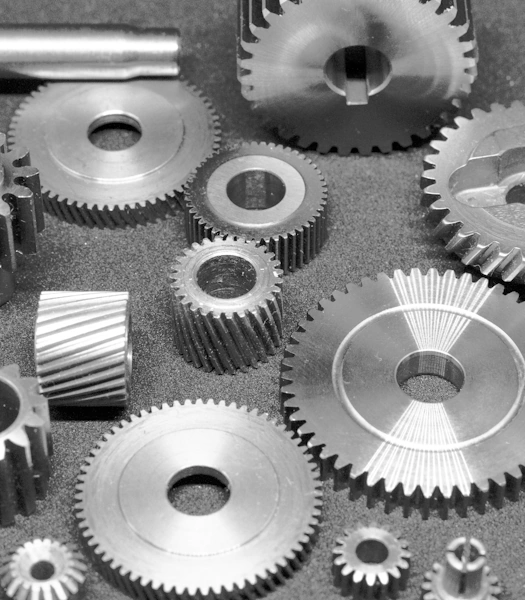
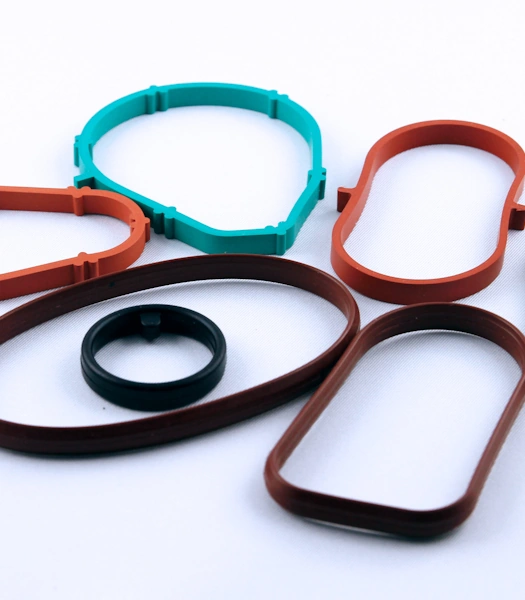
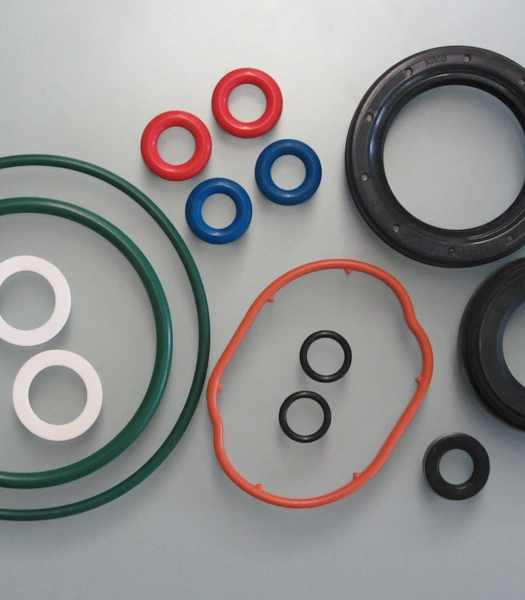
In practice, defects rarely occur in isolation. NELA’s optical inspection systems detect different types of defects even in combination and under real production conditions.
Quality begins at the surface.
Manual visual inspection reaches clear limits with today’s production volumes, quality requirements and liability risks. Automated optical surface inspection is therefore not just a technical upgrade, but a strategic decision for safety, stability and trust throughout the entire value chain.
-
100% Inspection and Process Reliability
Safety is built on absolute reliability.
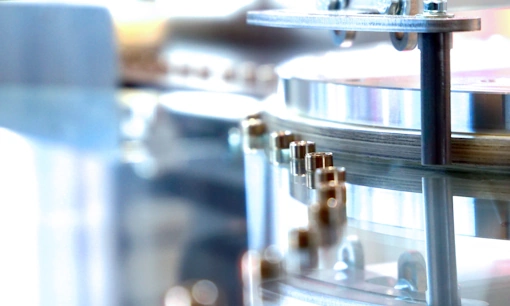
Every single part is inspected completely, objectively and reproducibly. Automated optical inspection systems eliminate human factors such as fatigue or daily performance fluctuations, ensuring consistently high inspection quality and reliably reducing defect escape. Defective parts do not pass unnoticed into the next stage of the process or reach the customer. This level of reliability is essential, especially for safety-critical applications.
-
Cost Efficiency Without Compromising Quality.
Quality may cost money, but it should not waste it.
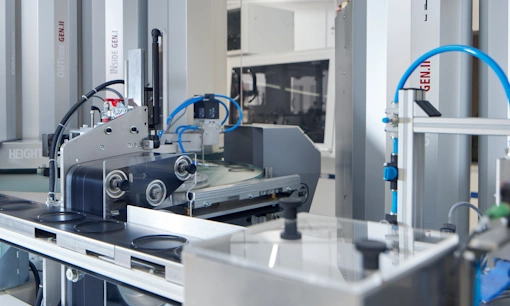
High production volumes can be handled efficiently even with demanding inspection tasks. High throughput, short setup times and adaptive evaluation ensure that quality does not come at the expense of cost efficiency. At the same time, unnecessary false rejects are reduced. Good parts remain in the process, preventing unnecessary material loss and conserving resources.
-
Verifiable Quality and Trust.
Without documentation, quality cannot be proven.
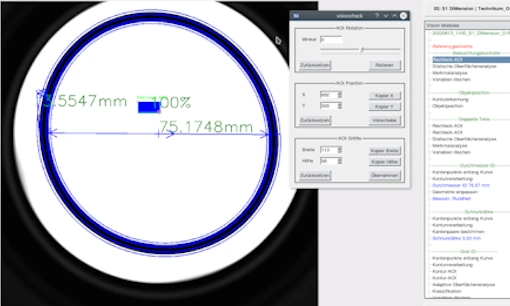
All inspection results are documented automatically and remain fully traceable at any time. This creates a reliable record of quality that can be used both for internal process optimization and for customers, auditors and partners. Standards, specifications and customer-specific requirements can be verified reliably and secured over the long term.
-
Protection of Brand and End Consumers.
Reliable inspection protects products, brands and people.
Flawless surfaces are more than a visual detail. They shape the perception of high-quality products, prevent complaints and protect end users from potential injury risks. Automated surface inspection detects critical deviations before they damage trust or harm a brand’s reputation.

From Reflection to Information: Technologies That Make Optical Defects Visible.
Depending on the material, surface and defect type, NELA uses specialized inspection methods that significantly extend the capabilities of conventional image processing.
-
Shape-from-Shading (SfS)
3D topological analysis for high-gloss and challenging surfaces
-
Lateral Surface Inspection
Seamless inspection of bores, grooves and rotationally symmetrical components
-
High-Performance LED Strobe Technology
Extremely short, precisely controlled light pulses prevent motion blur which is a prerequisite for reliable measurement at up to 100,000 parts per hour.
-
TOPside Surface Inspection
Reliable defect evaluation with our TOPside sensor using incident lighting.
-
Resonance Chamber Testing & Eddy Current Testing
Detection of microscopic cracks below optical resolution and complementary material inspection for electrically conductive components

The Right System for Your Automated Surface Inspection;
Whether high production volumes, complex geometries or sensitive components: NELA offers modular inspection systems that can be flexibly integrated into existing production environments.
-
More about TAVI
Glass Table System (TAVI)
Ideal when you have very high inspection requirements and want to inspect extremely stably and at very high speed.
-
 More about SKIVI
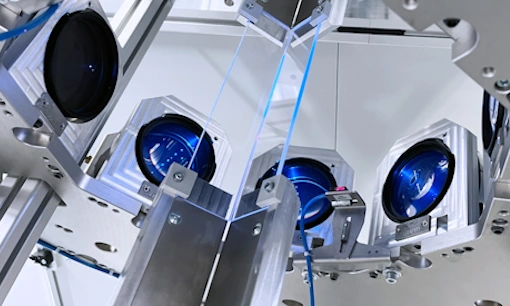
Glass Slide System (SKIVI)
Ideal for the optical inspection of elongated, cylindrical series parts that must be inspected continuously and sorted reliably.
-
 More about ROVI
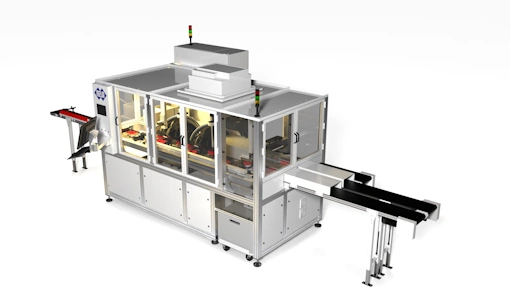
Indexed Systems, Handling Systems (ROVI)
For complex parts, particularly demanding inspection points or situations where the component must be precisely positioned or even deformed (e.g. elastic parts).
-
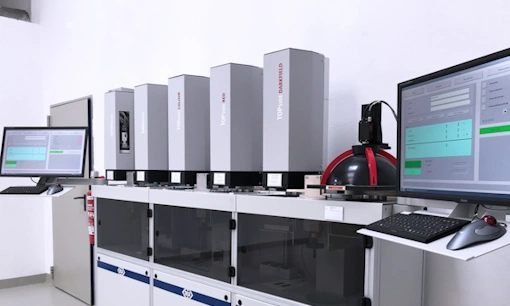 More about Smart Sensor Technology
Smart Sensor Technology
The compact sensor units consisting of a camera and coordinated lighting can be integrated into your system via common standard interfaces and provide immediately usable inspection results.
-
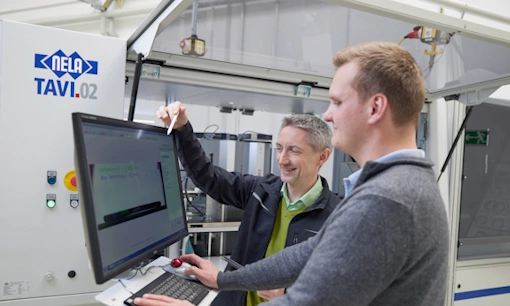 More about VisionCheck
VisionCheck Software
VisionCheck enables the creation of customized inspection programs, reduces false rejects through adaptive surface algorithms and integrates seamlessly into existing optical inspection systems.
-
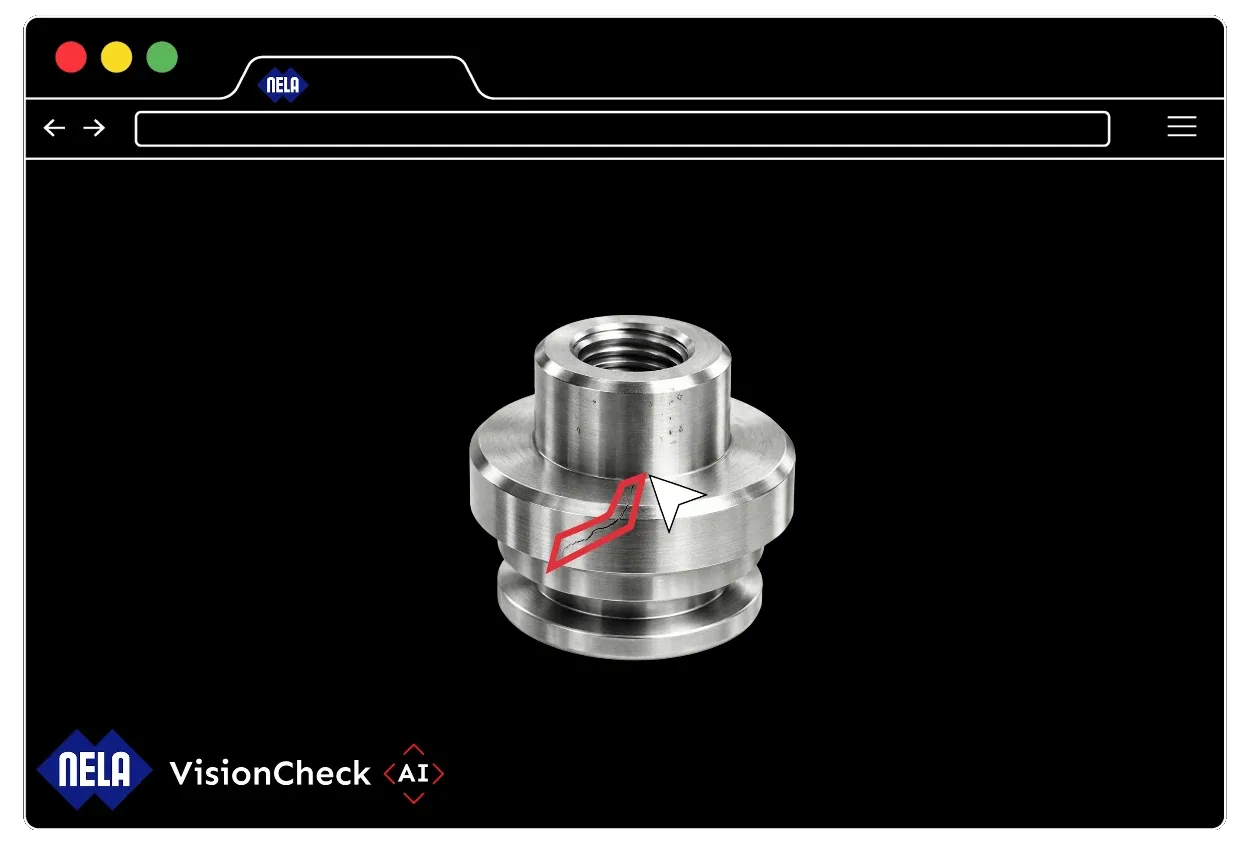 More about VisionCheck.AI
VisionCheck.AI
VisionCheck.AI extends traditional machine vision with a powerful AI component, reliably detecting even the subtlest defects – and trainable for new parts with no coding required.
